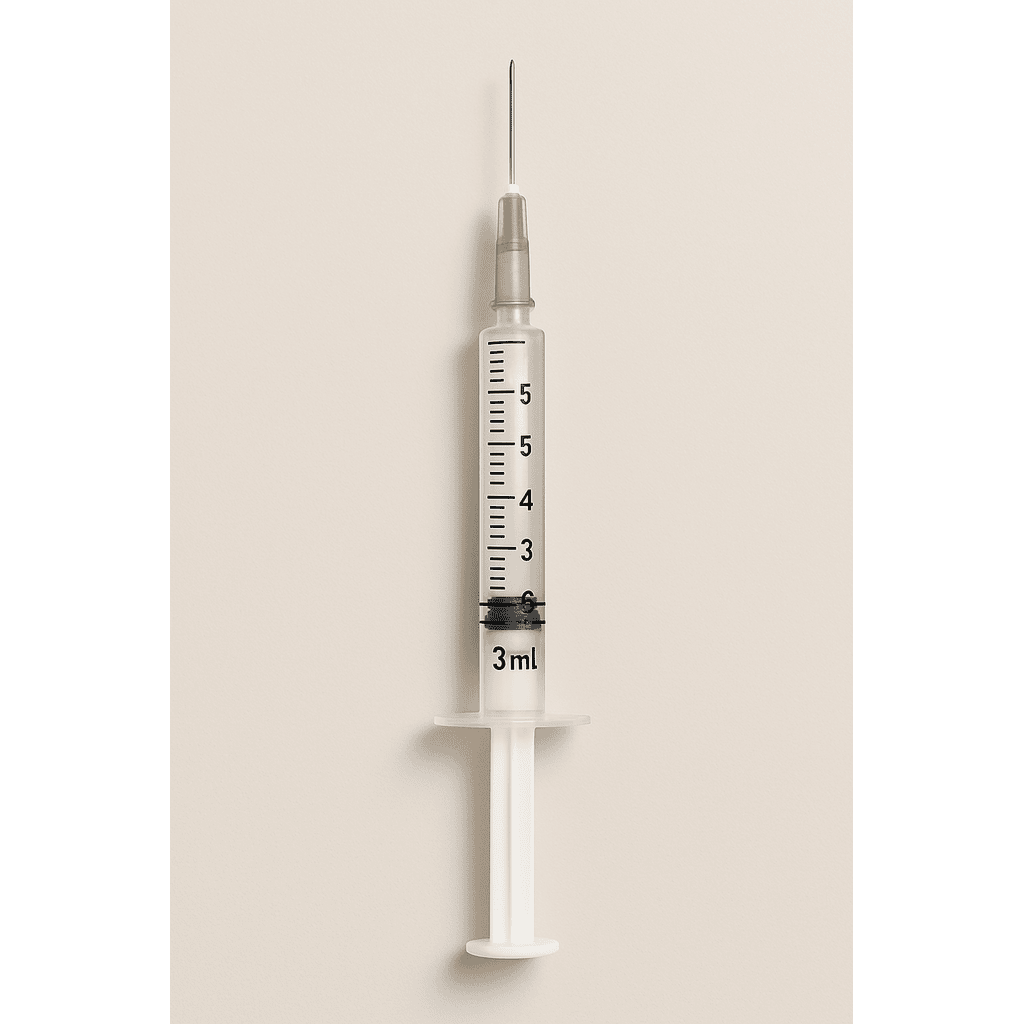
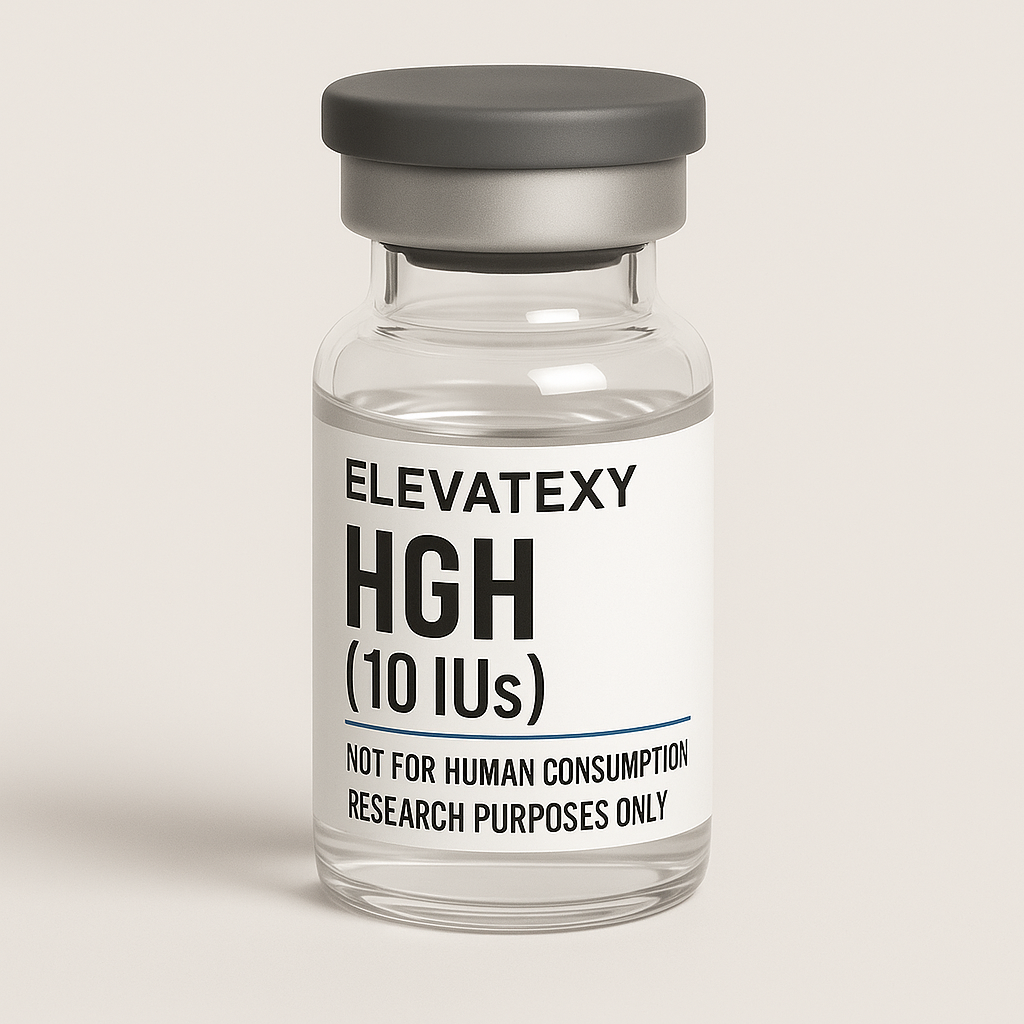
A mixing syringe is an instrument used to mix bac water and other fluids with other components. The barrel (a cylindrical container to hold the liquid), the plunger (a rod used to push or pull the fluid), and the needle (a hollow metal tube that allows for the fluid to enter or exit the body, though some syringes are needle-free). Syringes come in a variety of sizes, typically ranging from 1 mL for precise doses, like insulin injections, to larger capacities of 10 mL or more for general medication administration or fluid withdrawal. They are typically made from plastic (often polypropylene) for cost-effectiveness and single-use disposability.
- Barrel: The cylindrical container that holds the fluid. It is usually marked with measurement lines to help determine the volume of liquid being drawn or administered. The barrel may be made of plastic or glass.
- Plunger: A rod that fits tightly inside the barrel and is used to push the liquid out or draw it in when the user applies pressure. The plunger is often made of rubber, plastic, or elastomer.
- Needle: A hollow metal tube attached to the syringe that is used to pierce the skin and deliver or withdraw fluids. The needle comes in various gauges (thickness) and lengths to suit different applications, from intramuscular injections to small-scale insulin delivery.
- Tip: The part of the syringe where the needle attaches, often designed for either a luer-lock fitting (screws in) or a slip-tip (slips into place).
Uses:
- Injection of Medications: Most commonly used for delivering vaccines, pain relief, or insulin.
- Blood Draws: Syringes are used by medical professionals to withdraw blood for testing or for other procedures like plasma donation.
- Irrigation: Syringes without needles are sometimes used to flush wounds or clean body cavities (like ears or sinuses).
Safety Features:
- Safety Syringes: To prevent needle-stick injuries, many syringes come with built-in safety mechanisms that automatically retract the needle or shield it after use.
- Single-Use: Most syringes are intended for single use only to minimize the risk of infection and cross-contamination.
Additional Considerations:
- Sterility: Syringes are usually packaged in sterile packaging to avoid contamination before use. They should not be reused.
- Proper Disposal: Used syringes should be disposed of in a designated “sharps container” to prevent injury and the spread of infection.